Redazione RHC:28 November 2025 09:02
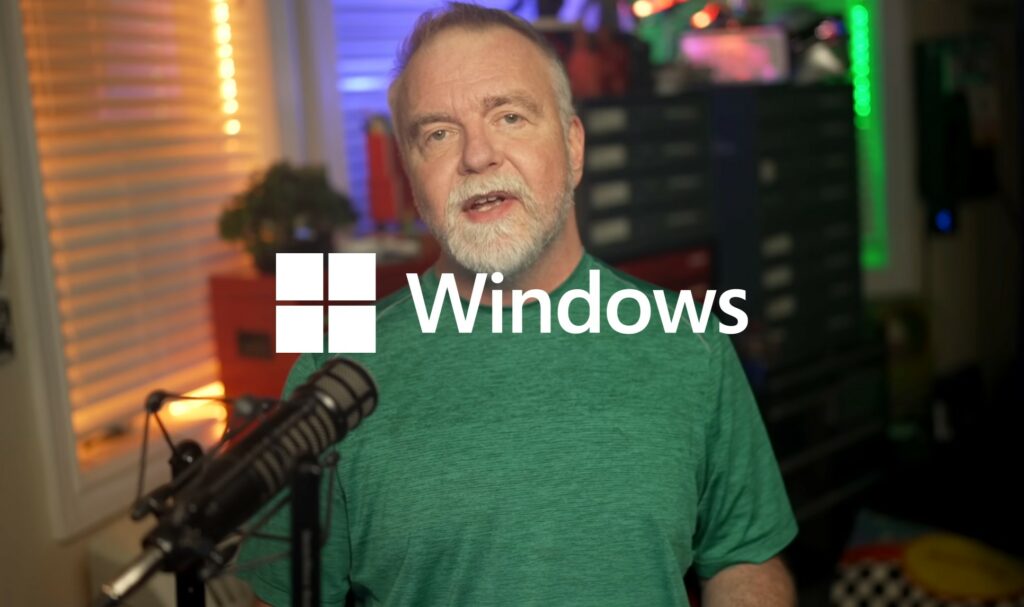
Dave Plummer, a highly regarded former senior engineer at Microsoft who led the development of several key Windows components, including Task Manager, the Windows NT port of Space Cadet Pinball , and native support for ZIP files, has now publicly addressed a controversial issue, bluntly analyzing why Windows “sucks.”
IT Home noted that in his latest YouTube video, “Windows “SUCKS”: How I’d Fix It by a Retired Microsoft Windows Engineer,” Plummer points out that many of the measures Microsoft has taken to simplify the operating system and improve the user experience for less experienced users have actually irritated a group of more active and advanced users, who resent the growing number of restrictive design elements (guardrails) in the system.
To resolve this conflict, he offers a key suggestion: introducing a “minimalist mode” switch into the system . Enabling it significantly reduces the system’s chattiness, which manifests itself specifically as follows:
- Stop proactively promoting app recommendations;
- Unless explicitly stated otherwise, local searches will no longer trigger network queries;
- The system settings entry is integrated to avoid users having to search for configuration items in a “treasure hunt” style across different interfaces;
- Deeply integrate advanced development and management tools such as Windows Subsystem for Linux (WSL), curl, Windows Terminal, and WinGet Package Manager into your system, ensuring they are ready to use and easily accessible right out of the box.
Plummer also argued that the term ” telemetry ” has become almost a ” sensitive word ,” but emphasized that completely abolishing telemetry is not a good solution; a better solution is to give users full transparency and control, for example by introducing a “privacy log” mechanism: recording all data collection activities in a clear, easy-to-understand format and allowing users to freely opt out of uploading specific types of data.
He further argued that during the initial Windows setup phase, users should be presented with a clear comparison between local accounts and Microsoft accounts , with a clear explanation of their respective advantages and disadvantages, thus returning the choice to sufficiently rational end users.
Regarding system updates, Pramer specifically emphasized that update installations should be strictly limited to periods of low user activity and should be accompanied by a “one-click rollback” feature to avoid production disruptions due to update failures during peak periods.
Of particular note is Plummer’s insightful observation that Windows is increasingly becoming a sales channel for other Microsoft products: the system frequently suggests upgrading or subscribing to various products and services. He believes that switching to the aforementioned “minimalist mode” could solve this problem as well: completely disabling all forms of promotional solicitation.
However, he also admits that this solution is unlikely to be adopted by current Microsoft executives: after all, one of their key KPIs is increasing the conversion rate of users who click on recommended content. Plummer bluntly states that this is the root cause of many users’ deep aversion to Windows and their condemnation of it as ” terrible “: users feel like they’ve paid for a product, but are forced to use a sales platform that constantly pushes sales.
The entire video is thought-provoking, especially considering the speaker’s deep involvement in Windows development and his in-depth knowledge of the system’s design logic and history. In addition to the points mentioned above, Pramer also discusses other critical issues, such as the long-standing functional disconnect between the Settings app and the traditional Control Panel.
- #privacy
- Dave Plummer
- engineer
- microsoft
- minimalist mode
- operating system
- telemetry
- updates
- user experience
- windows
- Windows is terrible
Redazione
The editorial team of Red Hot Cyber consists of a group of individuals and anonymous sources who actively collaborate to provide early information and news on cybersecurity and computing in general.